

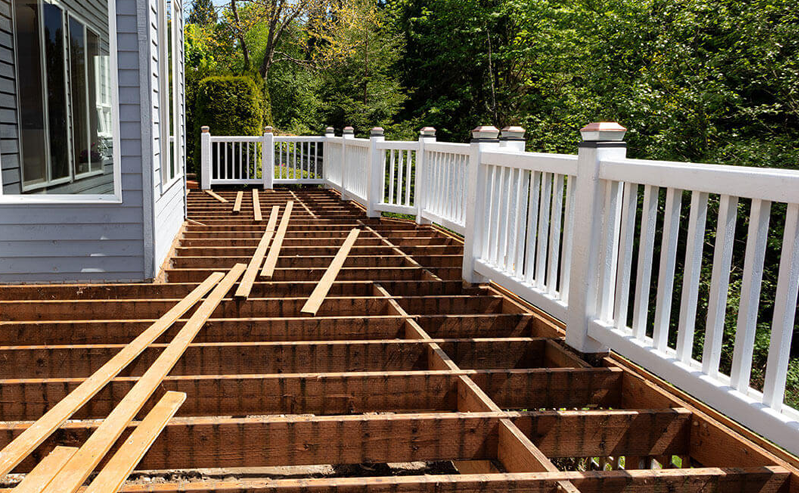
Poorly chosen pressure-treated lumber can fail early when treatment or size does not fit. A deck board stays above soil, while a fence post sits in wet ground. Because each part faces different risks, one board cannot fit every job. Shoppers searching for pressure-treated lumber in Kuna, ID may feel unsure about tags, ratings, and board quality. Kuna Lumber helps contractors, homeowners, and DIY customers review lumber, building materials, fasteners, and project tools.
Our store has served Kuna since 2002. However, product choice should start with the project conditions. This guide explains how to choose pressure-treated lumber for decks, fences, and posts. It covers ratings, grades, sizes, quality, costs, hardware, and safety. This helps buyers plan and avoid mistakes.
What Pressure Treatment Does to Wood
Pressure-treated lumber is wood infused with a preservative under controlled pressure. Properly treated wood helps protect lumber from decay and damaging insects. Because outdoor wood gets wet, treated material suits many exposed projects. The EPA lists decks, posts, rails, framing, and landscape timbers as common uses. However, treatment does not make every board right for every location. The preservative type and treatment level must match the exposure. Residential products may use ACQ, copper azole, copper naphthenate, or other registered preservatives.
Meanwhile, pressure-treated wood still needs sound design, drainage, airflow, and care. It may warp or crack as moisture changes. Therefore, buyers should judge both treatment and board quality. The end tag provides the best starting point.
Read the End Tag Before Buying
The end tag explains where a treated board may be used. Because color alone proves little, buyers should never choose by color. A tag may show the use category, preservative, retention, treater, and inspection mark. Therefore, learning how to read a pressure-treated lumber tag can prevent a poor match.
- Look for the intended use, such as above ground or ground contact.
- Check the AWPA use category, such as UC3B or UC4A.
- Find the preservative code and stated retention level.
- Look for a quality mark from an approved inspection agency.
Moreover, pressure-treated lumber treatment levels reflect the risk around the wood. Greater exposure may need more protection. However, local code and project plans may set added rules. Buyers should keep tags.
Choose the Right Treatment for a Deck
Deck parts face different moisture, loads, and repair needs. Therefore, the best pressure-treated lumber for decks depends on where each piece sits.
Boards, Rails, and Balusters
Above-ground pressure-treated lumber may fit deck boards, rails, and balusters with good clearance and airflow. These parts should dry after rain. However, trapped leaves or poor spacing can keep them wet.
Framing Near Soil
Pressure-treated lumber for deck framing may need a ground-contact rating near grade. Ground-contact material may suit posts, stringers, and hard-to-replace framing. Moreover, critical parts may need added protection when not buried.
Before ordering, buyers should check plans and local rules. They should match each deck part to its exposure. This way, the project does not rely on one rating for every board. People ready to buy pressure-treated lumber in Kuna can bring a cut list and project notes.
Select Lumber for Fences and Posts
Fence parts face wind, soil, sprinklers, and standing water. Because posts carry the fence, they need care. Pressure-treated lumber for fences may include posts, rails, pickets, and gate framing. However, each part may need another rating.
- Choose ground-contact pressure-treated lumber for posts placed in soil.
- Consider best pressure-treated wood for fence posts with a clear ground-contact tag.
- Use treated rails and pickets that match their height and wetting risk.
- Keep wood away from trapped mulch, leaves, and poor drainage.
In addition, pressure-treated lumber for posts should be straight enough for plumb installation. Deep checks and major twists can hurt alignment. Post depth depends on the fence plan and local rules. Therefore, buyers should confirm those needs.
Compare Grades, Sizes, and Project Uses
Treatment rating and grade answer different questions. The treatment rating covers decay and insect risk. However, pressure-treated lumber grades describe strength and visible features under a grading system. Buyers should follow plans for structural grade needs. They should inspect knots, splits, and edge damage as well.
Pressure-treated lumber sizes use nominal labels, while actual measurements are smaller after milling. Therefore, plans should use actual dimensions where fit matters. A lumber store in Kuna, Idaho can help review related supply needs.
| Project part | Common buying check | Main exposure concern |
| Deck boards | Actual width and straight edges | Rain and slow drying |
| Deck joists | Grade, span, and size | Moisture near grade |
| Fence rails | Length and straightness | Repeated wetting |
| Fence posts | Cross section and treatment tag | Soil and trapped water |
Because plans vary, this table guides shopping, not structural design.
Inspect Each Board for Usable Quality
A correct tag cannot fix a badly shaped board. Therefore, buyers should inspect the order before loading it. Wet-treated lumber may feel heavy and can change shape while drying. However, severe defects create waste.
- Sight along each edge for bow, crook, cup, and twist.
- Check both ends for deep splits or crushed fibers.
- Look for loose knots in areas that need strong fastener hold.
- Compare thickness and width across boards used side by side.
- Choose straighter pieces for rails, joists, gates, and long runs.
Moreover, buyers should store boards flat on supports. Air should move around the stack, while the cover should block direct rain. Good storage helps reduce uneven drying. As a result, boards stay easier to measure, cut, and install.
Use Compatible Hardware and Safe Work Habits
Treated wood can react with the wrong metal. Therefore, buyers should follow the fastener maker and lumber tag guidance. Exterior screws, hot-dipped galvanized fasteners, or approved stainless steel may be required. However, the right choice depends on the preservative and connector. Joist hangers need compatible coatings.
Safe handling matters during cuts. Wear gloves when moving boards. Moreover, use eye protection and a dust mask when cutting or sanding. Clean up sawdust and scraps. Wash hands with soap and water before eating. Never burn treated wood, because burning can release harmful chemicals. Disposal must follow local rules. In addition, fresh cuts may need an approved end-cut preservative when the product instructions require it. These steps protect workers and support service life.
Plan Cost, Quantity, and Related Materials
Pressure-treated lumber prices can change with species, grade, size, length, treatment, and market supply. Therefore, buyers should compare usable boards, not the lowest price. A twisted board may create waste and slow the job. Moreover, orders should cover cuts and damaged ends.
Kuna Lumber lists lumber, building materials, decking tools, fencing tools, screws, and steel nails. However, customers should confirm current sizes, prices, and availability before visiting. As a trusted hardware and lumber store in Kuna, we offer product guidance without replacing approved plans or code advice.
Compare Treated Lumber With Cedar
The choice between treated wood and cedar depends on use, cost, appearance, and care. A pressure-treated lumber vs cedar comparison should not name one winner. A pressure-treated lumber in Kuna, ID can fit framing, posts, and parts facing decay risks. Cedar may appeal where natural color and grain matter. However, cedar species, grade, and exposure still affect performance.
Build With the Right Rating From the Start
A sound outdoor project begins with the right rating, grade, and size. Because decks, fences, and posts face different risks, buyers should review every part separately. They should read the tag, inspect each board, and choose compatible hardware. Moreover, they should follow approved plans and local rules for structural work.
For pressure-treated lumber, we help customers review lumber, building materials, tools, and fasteners. Our team can discuss project needs and related supplies. However, customers should confirm current options before placing an order. Choose Kuna Lumber for pressure-treated lumber, hardware, and project support. Call us at (208) 922-3545 or visit 175 S School Ave, Kuna, ID 83634 to plan your deck, fence, or post project today.
Frequently Asked Questions
What Type of Pressure-Treated Lumber Is Best for a Deck?
The right product depends on the deck part and its exposure. Above-ground rated boards may fit decking and rails with good airflow. However, posts, stair stringers, and framing near soil may need ground-contact treatment. Buyers should follow approved plans, local rules, and each board’s end tag.
Should Fence Posts Use Ground-Contact Pressure-Treated Lumber?
Yes, posts placed in soil should carry a ground-contact rating for that use. Ground contact may apply near soil where water, mulch, or debris keeps wood wet for long periods. However, treatment does not replace drainage, sound installation, proper post depth, bracing, or local fence requirements.
What Is the Difference Between Above-Ground and Ground-Contact Lumber?
Above-ground lumber suits exterior parts with enough clearance, airflow, and drying time. Ground-contact lumber receives protection for greater decay risk. It fits soil contact, near-grade parts, wet areas, and some critical pieces. However, buyers should rely on the end tag rather than color or appearance.
How Can Buyers Read a Pressure-Treated Lumber End Tag?
Buyers should find the intended use, AWPA category, preservative code, retention level, treater, and inspection mark. UC3B often marks exterior above-ground use. UC4A marks general ground contact. However, project conditions, local rules, and approved plans should guide the final choice before any board is installed.
What Grade of Treated Lumber Should Be Used Outdoors?
Outdoor use alone does not set the grade. Grade relates to strength and visible wood features, while treatment relates to decay exposure. Structural parts must match the project plan. Buyers should inspect knots, splits, twist, and edge damage. However, appearance grades may suit visible, nonstructural parts.
Can Kuna Contractors Get Supplies for Decks and Fences?
Contractors can contact the store about lumber, building materials, decking tools, fencing tools, screws, steel nails, and project needs. The business serves Kuna from its South School Avenue store. However, contractors should confirm current stock, quantities, order timing, delivery terms, and job-site needs before setting a schedule.