

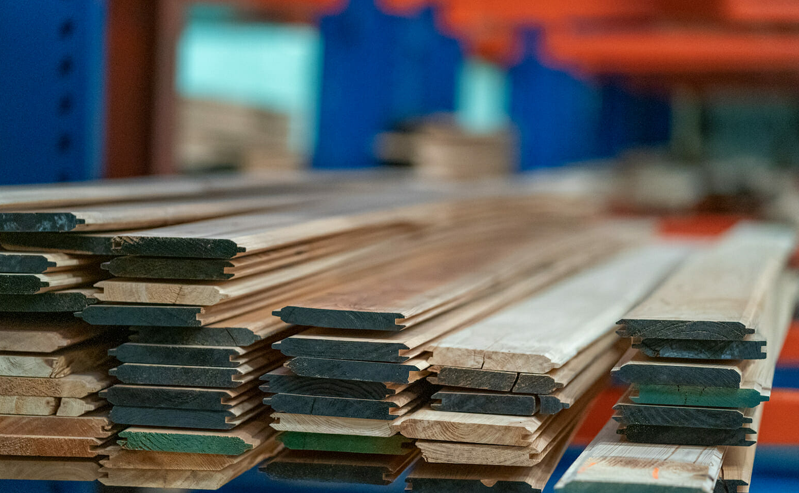
Buying cedar can feel confusing because boards vary in grade, size, moisture, and price. A board may look attractive yet fail to meet the project’s needs. Cedar for fencing may differ from cedar used for trim. Incorrect sizing can lead to waste and extra store trips. People seeking cedar lumber in Kuna, ID, need clear facts before spending money. Kuna Lumber helps contractors, homeowners, and DIY customers choose lumber, building materials, and project tools.
We have served Kuna since 2002. Our team offers product guidance, while delivery is available to homes and job sites. This guide explains what buyers should check before they buy cedar lumber. It covers grades, sizes, costs, quality, storage, and common uses. This helps shoppers compare products and ask better questions before ordering.
Understand Grades Before Comparing Boards
Before comparing cedar lumber, buyers should understand the grade. A grade describes visible features and, at times, structural use. Therefore, cedar lumber grades help buyers compare knots, grain, checks, and appearance.
Clear and Knotty Choices
The phrase “clear vs. knotty cedar” describes a common choice. Clear stock has fewer knots and is suitable for visible work. Knotty stock gives a natural look and may cost less.
Heartwood and Sapwood
Understanding cedar heartwood vs sapwood matters outdoors. Heartwood usually has stronger natural decay resistance. Sapwood is more open to decay.
- Check whether the grade is suitable for structural or appearance work.
- Look for firm knots, straight grain, and limited splits.
- Ask what defects the stated grade permits.
As a result, buyers can compare values rather than judge one face.
Know Nominal and Actual Board Sizes
Labels can confuse buyers because a nominal size may not match the measured size. For example, a dressed 2×4 often measures about 1.5 by 3.5 inches. Therefore, cedar lumber sizes should be checked before planning joints. Length is listed apart from width and thickness. Meanwhile, cedar boards may come surfaced, rough, or shaped for a set use. Surfaced boards feel smoother because milling removes material. By contrast, rough-sawn cedar lumber keeps a textured face and may stay closer to its sawn size. However, rough stock can vary and may need milling. Buyers should measure the actual board rather than trust the label alone. They should check joint thickness, face width, and end cuts. Accurate measurements reduce gaps and waste.
Check Quality Before Paying
Good quality depends on the planned use. A fence board can accept features that may not suit trim or furniture. However, every buyer should inspect several faces and both ends. Kiln dried cedar lumber may offer more stable moisture levels for many projects. People who plan to buy cedar lumber in Kuna can call about species, grade, size, quantity, and delivery.
- Sight down each edge to find bow, twist, cup, or crook.
- Check ends for deep splits and faces for loose knots or soft spots.
- Compare color, grain, thickness, and moisture across the full order.
- Reject boards with damage that removes too much usable wood.
Moreover, buyers should inspect boards from the same bundle when appearance matters. Similar color and grain can make siding or furniture look more even. Since wood moves with moisture, boards should be suited to the place where they will be used. A careful check before payment can prevent hard cuts and poor fits.
What Changes the Cost of Cedar
Cedar lumber prices can change with species, grade, size, length, finish, supply, and local demand. Clear stock often costs more because it has fewer visible defects. Wider and longer pieces may cost more because suitable logs are harder to source. Moreover, surfaced boards include added milling work. Delivery and order size may affect the final total. As a lumber store in Kuna, Idaho, we serve contractors, homeowners, and DIY customers.
Buyers should compare usable material, not just price per board. A cheap board can cost more when cracks or twists create waste. Therefore, estimates should include cuts, defects, and a small amount of waste. Pricing should be checked when the project is ready because rates can change. Store staff can help customers review available lumber and related building supplies. However, buyers should confirm cedar species, grade, dimensions, quantity, and current pricing before making a plan.
Match the Cedar Product to the Job
Project needs should guide every buying choice. Western red cedar lumber is widely used for posts, decking, shingles, and siding. However, weather, ground contact, visibility, and care needs should shape the choice.
- Cedar fence boards need a suitable thickness, a stable grain, and a suitable grade.
- Cedar deck boards need even size, sound faces, and space for drainage.
- Cedar siding boards should match the profile, exposure, finish, and fasteners.
- Cedar lumber for raised garden beds requires careful consideration of soil contact and drainage.
- Cedar boards for outdoor furniture should be straight, dry, and easy to join.
Moreover, visible work may need close color and grain matching. Hidden parts may allow lower appearance grades. Since projects differ, one board will not fit every use. A clear material list helps staff review each need.
Finding Cedar Lumber in Kuna, ID for a Planned Project
Local shoppers should bring measurements and project notes. This helps staff understand the planned use. Kuna Lumber lists lumber for framing and woodworking. It lists building materials, screws, nails, and tools for decking, siding, and fencing. However, customers should confirm cedar options. Its role as a hardware and lumber store in Kuna supports related project needs.
| Cedar project | Store product categories |
| Fence or gate | Lumber, fencing tools, screws, steel nails |
| Deck | Lumber, decking tools, screws, building materials |
| Siding | Lumber, siding tools, steel nails, paint |
| Woodworking | Lumber, hand tools, hardware accessories |
Measure the Order and Store It Correctly
A clear material list protects the budget. Buyers should calculate the board count based on the actual face width and the required length. Moreover, cuts, damaged ends, and pattern matching require extra material. Complex layouts may create more waste than straight layouts. Board feet can be used to compare volumes for some lumber products. One board foot equals 144 cubic inches.
However, retail softwood may be priced by the piece or the linear foot. Therefore, buyers should ask how the product is sold. After purchase, boards should stay flat and supported. Spacers can let air move between layers. Cover the stack from rain while leaving room for airflow. Cedar should not rest on soil or wet concrete. Before installation, the material may need time to adjust to the work setting. Good storage reduces uneven moisture change, warping, stains, and edge damage.
Plan Fasteners, Finish, and Future Care
Cedar needs compatible fasteners and a finish plan. Dark stains around fasteners can harm light wood. Therefore, buyers should check product guidance for the chosen cedar and exposure. Exterior boards need spacing, drainage, and airflow to prevent trapped water, which can shorten service life. Moreover, end grain and cut areas may require care according to the finish maker’s instructions.
A clear finish may slow color change, while stain can add color and weather protection. However, no coating removes the need for inspection and care. Readers planning board-based work should review the related cedar boards guide for sizes, grades, and project choices.
Choose Cedar With a Clear Project Plan
A good cedar purchase starts with the project, not the board color. Buyers should define the use, exposure, measurements, grade, finish, and budget. Moreover, they should inspect actual sizes and usability before paying. A written cut list makes questions easier and reduces forgotten items. For cedar lumber in Kuna, ID, Kuna Lumber gives local customers access to lumber, building materials, hardware, and project tools. Our team can help review the planned use and related supply needs.
Good choices at the buying stage can reduce waste and make installation easier. Therefore, buyers should bring project notes, compare several boards, and ask direct questions. The right cedar should fit the job, the setting, and the care plan. Choose Kuna Lumber for cedar, hardware, and project support. Call us at (208) 922-3545 or visit 175 S School Ave, Kuna, ID 83634 to discuss your next project with our team today.
FAQs
What Grade of Cedar Should a Buyer Choose?
The right grade depends on use, appearance, and budget. Clear grades suit trim and highly visible work because they have fewer knots. Knotty grades fit many fences and outdoor projects. However, structural work needs a grade approved for that purpose. Buyers should read the grade stamp and product notes.
How Can a Shopper Tell Whether Cedar Is Good Quality?
A shopper should check every face, edge, and end. Straight boards with firm knots and limited splits offer more usable material. However, acceptable features depend on the project. Buyers should compare moisture, thickness, grain, and color across the order. They should reject soft decay, deep cracks, and severe twist.
What Cedar Size Works Best for a Fence?
The right size depends on fence design, post spacing, wind load, and local rules. Fence boards commonly differ from rails and posts. Therefore, buyers need a full plan before ordering. Actual board measurements matter because nominal labels may be larger than the finished size. A contractor can confirm structural needs.
Is Cedar a Good Choice for Outdoor Projects?
Cedar can work well for fencing, decking, siding, posts, and outdoor furniture. Its heartwood has natural decay resistance. However, cedar still weathers and moves with moisture. Good drainage, proper spacing, suitable fasteners, and regular care remain important. Ground contact and structural work may require another rated product.
Where Can Kuna Homeowners Purchase Cedar Lumber?
Homeowners can ask about current lumber options at 175 S School Ave in Kuna. Since stock can change, they should call before visiting. A useful request includes the cedar species, grade, actual size, length, quantity, project type, and delivery need. Staff can review related tools and materials.
Can Contractors Get Cedar and Building Supplies Near Kuna?
Contractors near Kuna can contact the store about current cedar availability and order needs. The business lists lumber, building materials, screws, nails, and several trade tool groups. Moreover, delivery is promoted for homes and job sites. Cedar stock, order limits, timing, and fees need confirmation.
Should Cedar Be Sealed Before Outdoor Use?
The answer depends on the desired color, exposure, and product form. Cedar can weather outdoors, yet sunlight and moisture change its surface. A suitable exterior finish can help manage color and water exposure. However, buyers should follow the finish maker instructions and coat clean, properly prepared wood.